Showing posts with label Publishing. Show all posts

Sunday, 30 December 2012

Change Is The Only Constant In Today's Publishing Industry

Penguin and Random House, two of the biggest players in publishing, announced in October that they would merge.

AFP/AFP/Getty Images Penguin and Random House, two of the biggest players in publishing, announced in October that they would merge. Penguin and Random House, two of the biggest players in publishing, announced in October that they would merge.
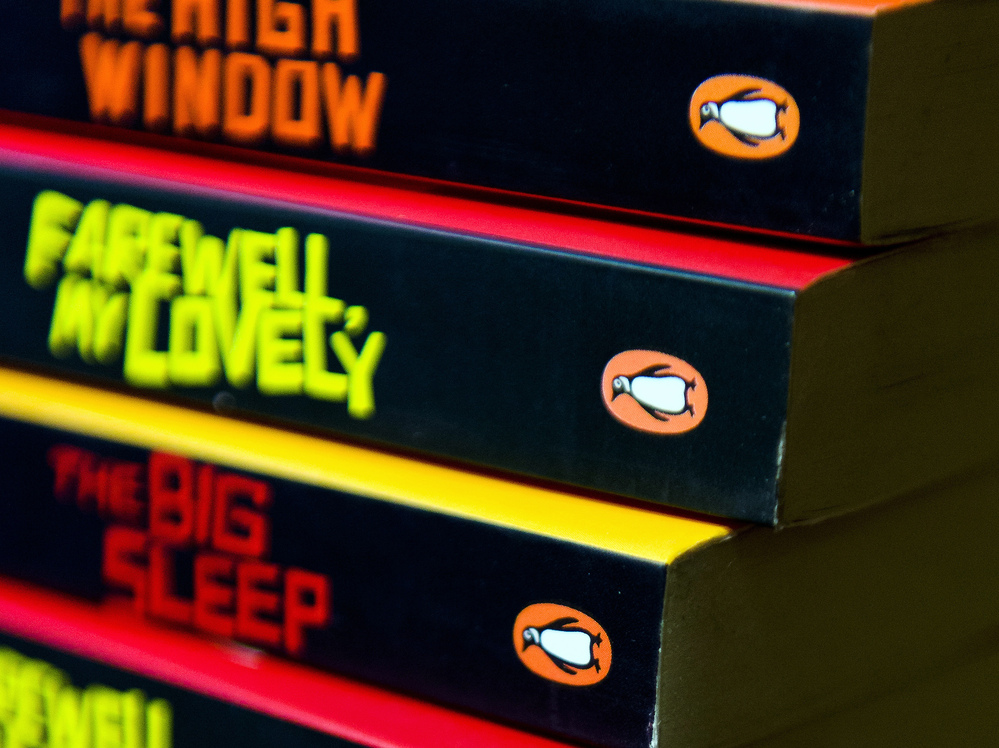
AFP/AFP/Getty Images

The publishing industry has been in flux for years. First chain stores, then Amazon, then e-books — many forces have combined to create dramatic change in the traditional publishing model.

Mike Shatzkin is the founder and CEO of the publishing industry consulting firm Idea Logical. He says one of the biggest changes happening in publishing right now is the planned merger of two of the biggest players in the field, Penguin and Random House — with whispers of further mergers to come.

Already, there's a lot of debate about what that kind of consolidation will mean for the industry. Shatzkin tells NPR's Audie Cornish that the size of the merged company will give it the clout — and the backlist — to create book sales anywhere it wants to. Even the corner drugstore might have a real bookstore — filled, of course, exclusively with Penguin and Random House titles, not just a rack of pulp paperbacks.

"Another way they might create additional distribution is through a subscription, e-book subscription service," he says. "Before Random and Penguin merged, no single publisher would have had enough of the most commercial titles to make something like that work. They might. So they may be able to create distribution channels that are extra, compared to what we have now, and proprietary, in that other publishers won't be able to get at them."

Digital platforms are another big trend right now — websites where authors can publish their work and connect with their readers. Shatzkin says children's publishers have been making good use of platforms. "For example, Scholastic, which has fabulous reach into schools, through teachers, is creating an e-book reading platform called Storia," he says.

Storia will be a complete environment, providing services for the purchase and reading of e-books and tools for parents and teachers to oversee their kids' reading. "So if a parent or teacher get a kid reading on Storia, you're not going to be able to get a book to that kid except through Storia. And Storia's not the only platform of its kind ... and what that means is that power transfers to the platform owner from the individual title or author."

But what about the readers who don't want to sign up with a platform to get their favorite authors? "I think we've already had that experience," Shatzkin says. "Twenty years ago, much more than today, there were people that chose their books from what Book-of-the-Month Club offered them. And Book-of-the-Month Club did not offer them books that were Literary Guild main selections, because they didn't have rights to them. And in fact, in a more subtle way, people shop from what's inside a bookstore. What's inside a bookstore is a small percentage of the total number of books available."

View the original article here

E-Books Destroying Traditional Publishing? The Story's Not That Simple

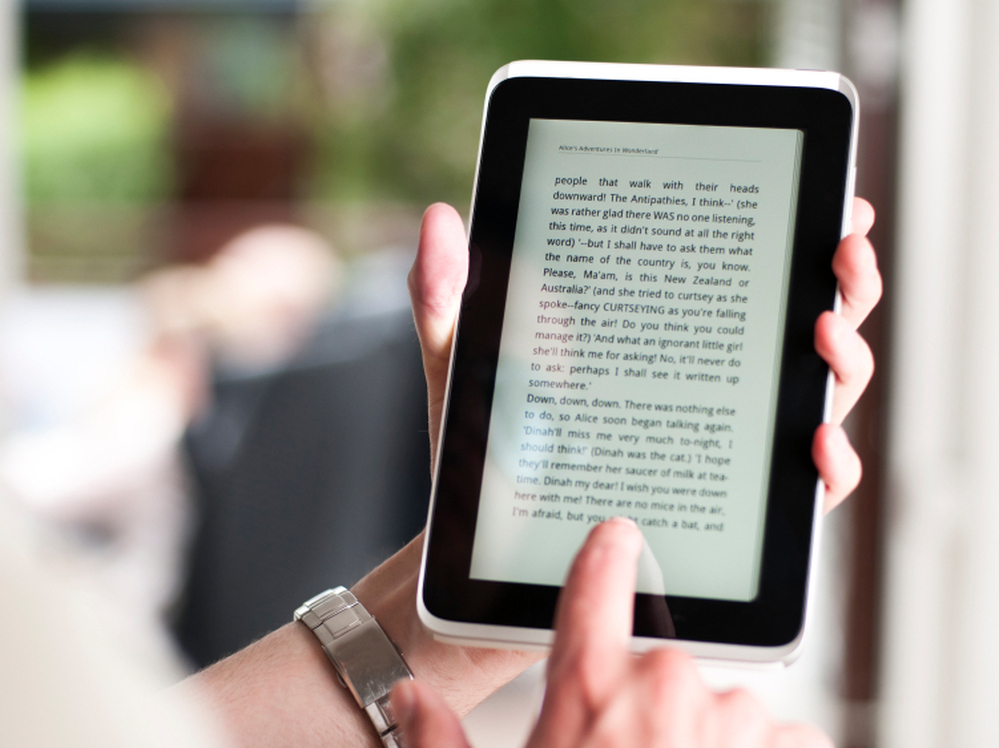
Publishers are finding that flexible pricing on e-books can help bring in new readers.

iStockphoto.com Publishers are finding that flexible pricing on e-books can help bring in new readers. Publishers are finding that flexible pricing on e-books can help bring in new readers.

iStockphoto.com

What counts as a book these days, in a world of Kindles, Nooks and iPads — and eager talk about new platforms and distribution methods?

Traditional publishers are traveling a long and confusing road into the digital future. To begin with, here's the conventional wisdom about publishing: E-books are destroying the business model.

People expect them to be cheaper than physical books, and that drives down prices. But the story's not that simple. For one thing, digital publishers have the same problem that record labels do: piracy. And there's just not the same stigma attached to pirating an e-book as there is to holding up a Barnes & Noble.

It turns out, though, that some publishers are doing pretty well despite the piracy problem. "We've had an incredible year," says Sourcebooks President Dominique Raccah. "Last year was the best year in the company's history. This year we beat that, which I didn't think was even possible." Raccah adds that her company is doing well because of digital publishing, not in spite of it. "It's been an amazing ride," she says.

It turns out there are some huge advantages — at least for publishers. A big one: The price of an e-book isn't fixed the way it is with physical books. Ten years ago, a publisher would have sent out its books to the bookstore with the price stamped on the cover. After that, it was done — the publisher couldn't put it on sale to sell more books.

"The exciting thing about digital books is that we actually get to test and price differently," Raccah says. "We can even price on a weekly basis." Once publishers have this tool, the ability to adjust prices in an instant, they can do whatever they want with that tool — like use it to get publicity. That's what Little, Brown did with presidential historian Robert Dallek's book on John F. Kennedy, An Unfinished Life.

In the middle of November, Little, Brown dropped the price from $9.99 to $2.99 for 24 hours — the digital equivalent of a one-day-only sale. "That sparks sales; it gets people talking about it," says Terry Adams, a publisher with Little, Brown. "You've just expanded the market."

Dropping the price of An Unfinished Life did get people's attention. "Here, we had an opportunity to increase the audience," Adams says. The book — originally published in 2003 — launched itself back onto the best-seller list. And because Little, Brown could raise the price again, it wasn't stuck with a money loser.

This kind of promotion leads to discovery, something that used to just happen in brick and mortar bookstores. But with fewer of those around, publishers are using price to create discovery. It's like making music available for streaming, so that someone will discover an artist and buy a record.

And speaking of music, if you read the new e-book 40 Years of Queen, you'll find it full of links. Links to iTunes, where you can buy the music you've been reading about. That's another huge advantage of e-books: Publishers can sell you things inside your book. It's still quite rare, but that's where digital publishing is headed.

But enough with the good news. There's still one big problem putting pressure on publishers (besides thieves). A problem you may have noticed, actually, just in the past day or so.

"We actually don't have a good gifting tradition yet for e-books," says Sourcebooks' Raccah. Despite all the advances in reading technology, physical books are still the best Christmas presents.


View the original article here